Healey to Unveil Cautious First Budget as Borrowing Costs Climb
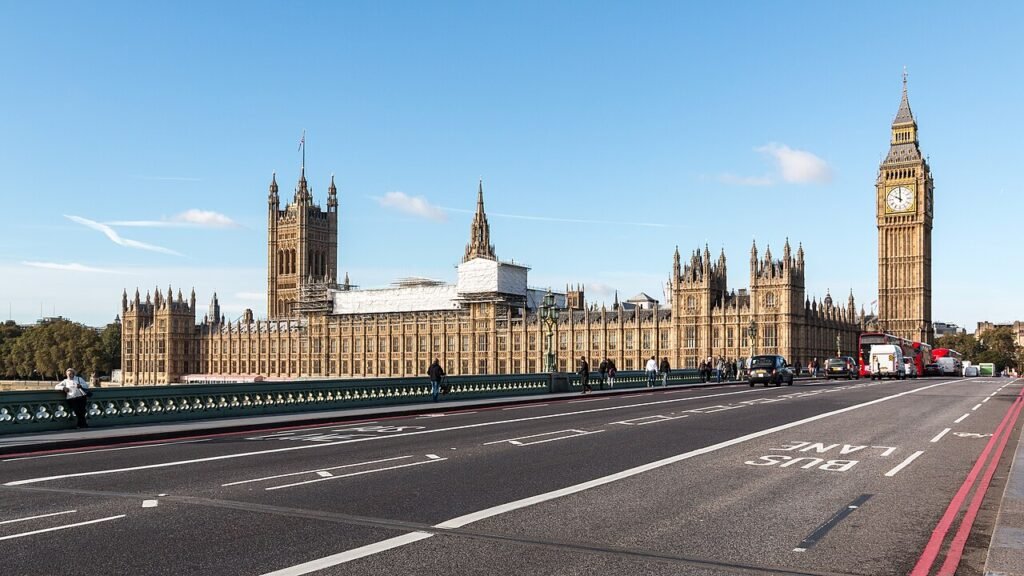
Britain’s finance minister John Healey will deliver his first Budget later today, setting out a cautious plan for an economy squeezed by rising borrowing costs and the cost of war in the Middle East and Ukraine. The Budget is due to be announced in Parliament just after 12:30 p.m. GMT, and it will be the first from the government of Prime Minister Andy Burnham, who took office in July.
Healey has framed the statement as an exercise in resilience rather than ambition. “This budget is about getting through this difficult moment,” he said in a statement released on the eve of the Budget, adding that it would provide “breathing space” for households and “targeted support” for businesses. The immediate priority, he suggested, is getting through the months ahead without unsettling the bond markets.
Borrowing costs leave little room to move
The central problem facing Healey is how little financial room he has. The government’s fiscal headroom of £23.6 billion is expected to be cut sharply in the update published alongside the Budget, as higher borrowing costs push up the state’s debt repayments. The Office for Budget Responsibility, the independent fiscal watchdog, will also publish its latest growth and inflation forecasts on Wednesday.
Government bond yields have struck multi-decade highs as inflation climbs on energy prices driven higher by the wars in the Middle East and Ukraine. Investors still remember the 2022 “mini-budget” turmoil under former Prime Minister Liz Truss; on Tuesday, Britain paid the highest interest on a five-year bond since 2008.
Forecasters are expected to say that the margin for meeting the government’s more challenging fiscal target has fallen to £15 billion, down from £24 billion in March. Healey has said he will stick to the government’s fiscal targets. Bond dealers polled by Reuters expect less than £10 billion in extra debt issuance this financial year, though they see next year’s financing needs revised up by more than £25 billion.
Rising inflation has also strengthened expectations that the Bank of England will raise its benchmark interest rate next month, adding pressure on Britons with loans, including mortgages. Healey’s biggest hope is an end to the US-led war on Iran, which would lower the bill for servicing Britain’s £3 trillion of public debt.
What is expected in the Budget
Within those limits, the Budget is expected to raise money from a small number of targets and direct help to households facing high energy bills. Banks, gambling firms and online marketplaces such as Amazon and Temu are expected to face higher taxes, with the proceeds helping to pay for support for poorer households and a freeze in fuel duty for drivers.
Labour has ruled out rises to income tax and capital gains tax, raising the prospect of spending cuts elsewhere to balance the books, according to analysts. In an attempt to ease the big tax hit on employers from Rachel Reeves’s budgets, Healey has said he would cut paperwork for businesses to save them £800 million a year.
The Budget will also detail how the government plans to give regional mayors more control over tax revenues, part of Burnham’s devolution push. Separately, more than £20 billion in extra support will go to state finance institutions to spur investment in artificial intelligence, defence and green energy by the early 2030s.
The defence question — and what comes next
One question Healey is expected to leave partly unanswered is how Britain will pay for higher defence spending. He is expected to delay until next year details of how Britain will meet NATO’s target of defence spending reaching 3.5 per cent of GDP by 2035. The issue is personal for Healey: he resigned as defence minister in June over insufficient military funding, in a move that hastened Keir Starmer’s resignation as prime minister.
On entering Downing Street in July, Burnham promised “the biggest changes in the last 40 years”, including a bigger role for the state in the economy. But Wednesday is being framed as a “steady as she goes” moment, after an economy that has so far withstood the energy price shock from the Iran war. Bigger policy changes are likely to wait for a 10-year plan later this year and a spending review in 2027.
For households, the test will be whether the targeted help on offer is enough. Sarah Coles, head of personal finance at investment platform AJ Bell, said targeted tax changes could help carers and parents, but added: “For others they will be a drop in the ocean. Hard-pressed households will be hoping for more support.”
Shoppers are already facing the fastest rise in shop prices in two and a half years. The full details — and the market’s reaction — will become clear after Healey stands up in the Commons this afternoon.