Burnham ‘Open’ to Formal Apology for Britain’s Slave Trade — But Rules Out Reparations
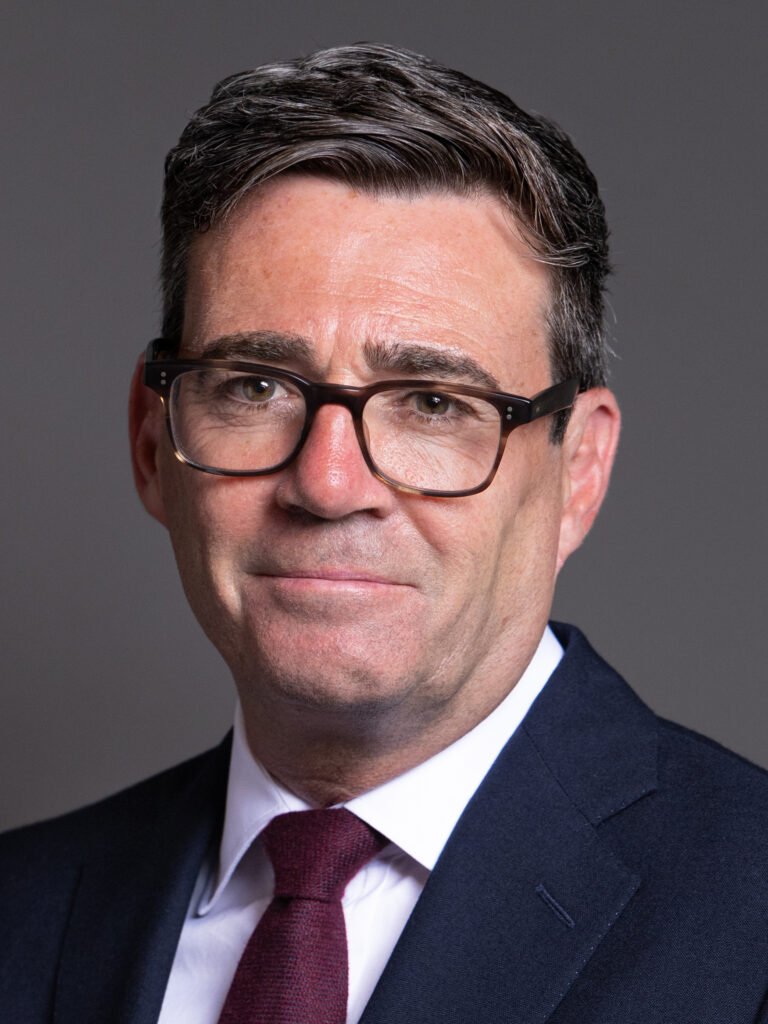
Britain is open to formally apologising for its role in the transatlantic slave trade, Prime Minister Andy Burnham has said, while drawing a firm line at paying financial reparations to Caribbean nations and campaign groups.
Writing in The Guardian on Friday, days before this week’s Commonwealth leaders’ summit in the Caribbean, Burnham argued that “we need to face up to the past” and promised structured talks with the countries and communities still living with slavery’s legacy.
Apology on the table, cash off it
Burnham said his government was offering “a structured dialogue with those affected by the transatlantic slave trade”, and confirmed that a formal apology is genuinely under consideration.
“Listening to calls for a formal apology on behalf of the British state will form an important part of this process, and I am open to them,” he wrote, adding that he wanted to “express my sorrow and regret for the pain and suffering of so many millions and to recognise the way it still shapes our world today.”
On reparations, however, his answer was a flat no. Burnham argued that people living in Britain today cannot be held financially liable for crimes committed centuries ago, under different laws and in a different age, in which they played no personal part. He maintained the position of previous British governments, even as he opened the door further on the apology question than any of his predecessors.
Instead of payments, Burnham proposed a new international drive on debt, promising to help vulnerable countries repay over longer periods and at better rates. He said former prime minister Gordon Brown would assist with the initiative. According to reporting of his article, more than 40 per cent of the world’s poorest and most vulnerable countries now spend more on debt interest than on healthcare.
A tense week in the Caribbean
The intervention comes as Commonwealth leaders gather in St John’s, Antigua and Barbuda, for the Commonwealth Heads of Government Meeting, which runs from Sunday to Wednesday. The 56-member organisation is mostly made up of former British colonies, and its Caribbean members have long pressed London to confront slavery’s legacy.
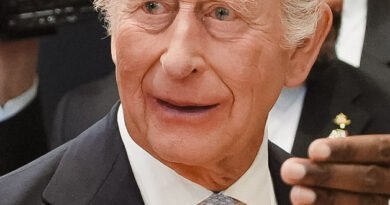
King Charles III, who is midway through a nine-day tour of three Caribbean countries, will also attend and address the summit. Buckingham Palace has said the King will not issue a formal apology during his trip, though he has said it is “only right that we should acknowledge the great suffering and injustices of the past.”
Reaction from the region has been carefully worded. Barbadian Prime Minister Mia Mottley welcomed the opening for talks while acknowledging that views differ on reparations, saying cooperation could also cover healthcare, education, development and fairer borrowing terms. Antigua and Barbuda’s Prime Minister Gaston Browne, who is hosting the summit, welcomed the debt initiative and promises of cooperation on renewable energy, but added in a Facebook post that “the Caribbean’s longstanding position on reparatory justice remains unchanged.”
The dispute is not new. At the last Commonwealth summit in Samoa in 2024, leaders called for discussions about reparations despite opposition from then prime minister Keir Starmer. The regional bloc CARICOM has drawn up a 10-point plan for reparations that goes well beyond payments, demanding an apology, support for health and education, and measures to address the economic and social damage left by slavery.
A legacy Britain has never formally apologised for
Britain has never formally apologised for slavery or agreed to pay reparations. According to the Transatlantic Slave Trade Database, Britain transported an estimated 3.2 million enslaved Africans across the Atlantic, out of at least 12.5 million Africans abducted and sold into slavery overall.
The historical ledger remains a sore point: when slavery was abolished, Britain paid £20 million in compensation to slave owners in 1833, worth around 40 per cent of the government’s annual budget at the time, while the enslaved received nothing.
Caribbean leaders are expected to keep pressing at this week’s summit, framing their demands around debt relief, development finance, education, healthcare and climate resilience. Burnham’s answer, at least for now, is dialogue, a possible apology, and a debt plan — but no cheque.
More from The Digi News
- Burnham Opens Door to EU Free Movement Talks in Call for ‘Honest Discussion’
- Lula Wins Fourth Term in Brazil as Bolsonaro Contests Runoff Result
- More World News from The Digi News
Image credit: House of Commons, via Wikimedia Commons (CC BY 3.0)